Skeleton SVG Review: Real Embroidery Project Testing
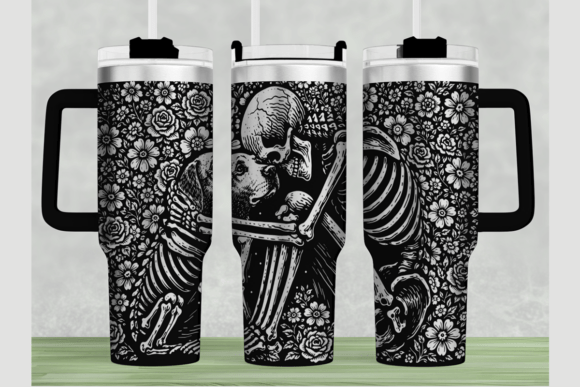
When I first opened the Skeleton SVG file, I have to admit I was curious how a design initially built for a 40 oz tumbler wrap would translate into the embroidery world. As someone who has tested hundreds of machine embroidery designs over the years, I have learned that a strong vector file does not always mean strong stitchouts. This one, however, has some real potential if you approach it with the right expectations and a bit of prep work. Let me walk you through what I found after stitching this out on several different products and fabrics, and share whether I think it belongs in your shop or personal project lineup.
First Impressions: Mood, Shape, and Visual Personality
The Skeleton SVG carries a bold, slightly playful yet dark aesthetic. It is not overly cartoonish, nor is it hyper-realistic. Instead, it lands somewhere in the middle, with clean lines and a distinct silhouette that reads clearly even from a distance. The skeleton motif is timeless in the Crafts and apparel world, showing up in everything from Halloween seasonal items to year-round gothic and alternative fashion. What sets this design apart is its wrap layout, originally intended for a tumbler, which gives it a horizontal, elongated composition. That shape is actually quite versatile for certain embroidery placements, especially across the front of a sweatshirt or down the side of a tote bag.
The mood it creates is approachable edgy. It does not scream horror, it leans more toward anatomical curiosity with a dash of whimsy. That makes it a strong candidate for customers who want something different without going full spooky. I could see this working well for boutique brands targeting the alternative market, or for Etsy sellers looking to offer a standout personalized gift for someone who loves unique skeletal designs.
Real Use Case: Stitching This Onto a Custom Sweatshirt
I decided to test the Skeleton SVG on a heavyweight crewneck sweatshirt in black. My thinking was that a dark background would make the bones pop, especially if I used a bright white or neon green thread. After opening the file in my embroidery software, I checked the default sizing. Since the SVG was designed for a tumbler wrap, the proportions are naturally wider than they are tall. That means it fits beautifully across the chest or upper back of a garment, but you will want to measure carefully to avoid the design wrapping too far around the sides.
I hooped the sweatshirt with a medium-weight cutaway stabilizer and used a 260 by 150 millimeter hoop. The design stitched out cleanly, with no major registration issues. The open areas within the skeleton shape allowed the fabric texture to breathe, which kept the overall feel soft and wearable. I used a satin stitch for the main outlines and a subtle fill stitch for the denser bone sections. The result was striking, and I immediately thought about how this would look on a custom tote bag or even a pillow cover for a themed home decor line.
How Skeleton SVG Performs Across Different Products
After the sweatshirt test, I ran the design on several other blanks to see where it truly shines and where it needs caution. Here is what I found for common product categories that embroidery designers and small shop owners work with regularly:
Custom Apparel and Sweatshirts: This is where the Skeleton SVG feels most at home. The horizontal layout works well on chest and back placements. On a t-shirt, the design sits nicely below the collar without overwhelming the garment. I recommend using a lightweight tearaway stabilizer for t-shirts to keep the fabric from puckering around the stitch areas.
Tote Bags: The elongated shape wraps around a tote bag naturally, especially if you center it on the front panel. I tested it on a canvas tote and the design held up well, though I did need to increase the underlay stitches slightly to prevent the bones from shifting on the thicker fabric. This would be a great product for craft fairs and Etsy listings.
Caps and Hats: This is a trickier application. The design’s width makes it challenging to fit on a standard cap front without distortion. If you are determined to use it on headwear, you may need to resize or rotate the design to a vertical orientation, but that alters the original composition. I would recommend sticking to flat surfaces for the best results.
Aprons and Kitchen Towels: A skeleton design on an apron adds personality for barbecue enthusiasts or culinary gift sets. The open stitch areas mean the design does not become too heavy on lighter fabrics. Just be sure to test on a scrap piece first, especially if the towel has a textured weave that might hide small details.
Pillow Covers and Blankets: For home decor, the Skeleton SVG offers a modern gothic accent. I stitched it onto a linen pillow cover and the result was crisp and professional. The design’s clear silhouette reads well even when viewed from across a room.
Baby Items and Holiday Gifts: While a skeleton motif might not be the first choice for baby embroidery, it can work for alternative baby showers or Halloween-adjacent celebrations. I would keep it subtle with pastel thread colors to soften the look. For holiday gifts, pairing this design with a personalized name or date could turn it into a memorable piece.
Where This Design Needs Careful Handling
No design is perfect for every surface, and the Skeleton SVG has a few areas that demand attention. Here is where I urge caution:
- Small hoop sizes: Because the original file is built for a 40 oz tumbler wrap, the proportions are wide. If you try to squeeze it into a small hoop, you will lose the impact of the skeleton shape and may end up with distorted bones. Always check your hoop size before committing.
- Textured fabrics: Fabrics like fleece, thick terry, or heavily textured knits can swallow the smaller details within the skeleton. The design relies on open negative space to define the bones. If the fabric texture fills those gaps, the image becomes muddy.
- Thin or stretchy fabric: On lightweight jersey or ribbed knits, the stitch density may cause puckering. I recommend using a stable, medium-weight fabric or adding a fusible interfacing to the backing.
- Dark fabric with dark thread: The skeleton needs contrast to read. If you stitch it on black fabric with dark gray thread, the design will vanish. Stick to high-contrast thread colors, especially white, cream, or bright neons.
- Curved surfaces like caps: As mentioned earlier, the wide layout fights against the curve of a cap. If you must use it on a curved product, consider splitting the design into two hoops or reducing the width significantly.
- Dense stitch areas: Some sections of the skeleton have tighter curves that pack stitches closely together. Monitor your stitch density and adjust if needed to avoid thread breaks or fabric distortion.
Visual Appeal, Product Value, and Customer Trust
From a visual standpoint, the Skeleton SVG delivers a clean, tattoo-inspired look that resonates with a specific audience. It does not try to be everything to everyone, and that is a strength. When you offer designs that feel intentional, customers trust that you know your style. For small business owners and Etsy sellers, this design can help establish a consistent brand voice, especially if you lean into gothic, alternative, or anatomical themes.
The stitching clarity I achieved in my tests was solid. The satin stitch outlines came out sharp, and the fill stitches laid down evenly without gaps. That kind of reliability matters when you are producing handmade products for sale. A design that stitches cleanly every time builds repeat customers and positive reviews.
Product value increases when a design looks premium on the finished item. The Skeleton SVG, when stitched with care on a quality blank, elevates the product from a simple garment to a wearable piece of art. That is exactly what boutique shoppers are looking for: something that feels curated, not mass-produced.
Printable mockups featuring this design also look fantastic for digital product previews. If you sell design assets or digital embroidery files, having a clean, recognizable graphic like this in your portfolio can attract buyers who appreciate bold, simple vector work. The design’s versatility in Graphics applications, from mockups to physical embroidery, makes it a solid addition to any creative entrepreneur’s toolkit.
Practical Designer Notes Before You Stitch
Before you load this design into your machine and start production, here are the checks I always run, and I recommend you do the same:
- Test on scrap fabric first: Use the exact fabric type you plan to use for the final product. Adjust tension and stitch speed based on the test result.
- Check thread color contrast: Hold your thread spool next to the fabric under good lighting. If the skeleton does not stand out immediately, choose a different color.
- Review stitch density: Open the file in your embroidery software and look for areas where stitches overlap excessively. Reduce density if needed to keep the design light and flexible.
- Confirm hoop size: Measure the design dimensions against your hoop. Leave at least 10 millimeters of clearance on all sides for proper hooping.
- Inspect small details: Zoom in on the skeleton’s finer elements, like finger bones or ribs. If they are smaller than 3 millimeters in width, consider simplifying or enlarging the design.
- Test in black and white mockups: Print a black and white version of the design to see how the negative space reads. This helps you spot areas that might become muddled after stitching.
- Compare light and dark fabric backgrounds: The same design will look completely different on white versus black fabric. Test both to see which version you prefer for your product line.
- Use proper stabilizer: For most applications, a medium-weight cutaway or tearaway stabilizer will serve you well. For stretchy fabrics, add a fusible interfacing layer for extra stability.
- Check licensing for commercial use: Before selling finished items or digital products featuring this design, verify the license terms. The product page states it includes one SVG file for a 40 oz tumbler, so confirm whether that license covers commercial embroidery production. When in doubt, contact the seller.
Final Thoughts for Designers and Shop Owners
The Skeleton SVG is a design that rewards preparation. It is not a plug-and-play file for every project, but when matched with the right fabric, hoop, and thread, it produces a finish that looks intentional and professional. For embroidery designers, small business owners, and creative entrepreneurs who serve customers with an edge, this design offers a reliable foundation for handmade products, personalized gifts, and boutique merchandise.
I would use this design again for custom apparel, tote bags, and home decor items. I would approach caps and small products with caution, and I would always test before committing to a production run. If you are an Etsy seller looking to expand your gothic or alternative product line, or a craft business owner wanting to add a fresh design to your portfolio, the Skeleton SVG deserves a closer look. Just remember to treat it as a design asset that needs thoughtful placement, and it will reward you with consistent, attractive stitchouts that customers will notice and remember.